Shared Transportation Guide for Better Trips

A ride to the airport, a weekend drive to the coast, a ferry across the bay, or a bus connection to your next city can cost less and feel a lot less lonely when you do not travel solo. This shared transportation guide is for travelers who want more options than driving alone, booking an expensive last-minute ride, or hoping someone in a group chat is headed the same way.
Shared travel is simple at its core: find people moving along a similar route, coordinate the details, and split what makes sense. The best part is that it is not only for carpools. If a trip can be planned, it can often be shared. 🚗 🚕 🚌 🚲 ⛵ ✈️
What Shared Transportation Can Look Like
Shared transportation is any trip where two or more people coordinate a route, vehicle, ticket, or travel plan. Sometimes one person has open seats in a car. Sometimes travelers split a taxi from a train station, meet for a long-distance bus ride, or book a boat transfer together. The mode matters less than the match.
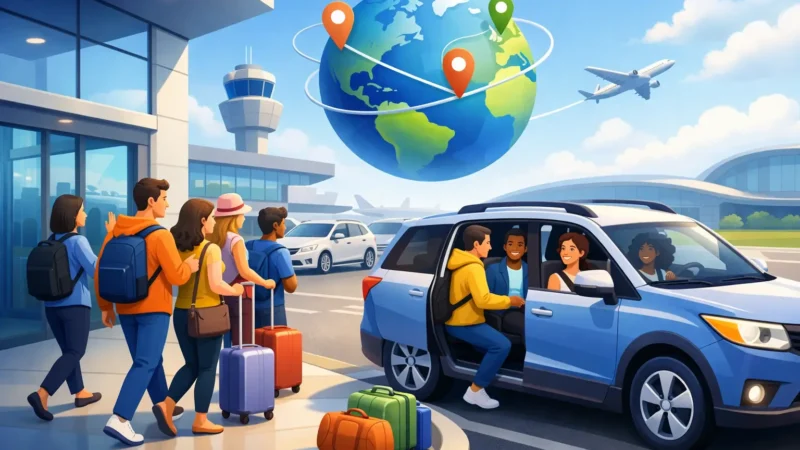
For a student, that may mean finding a ride home for a holiday weekend. For a digital nomad, it might mean sharing an airport transfer with someone landing at a similar time. For friends at the start of a road trip, it could be filling empty seats and sharing fuel costs. A solo backpacker may simply want company on the route between two towns.
There is no single right version of shared travel. The best option depends on your schedule, budget, comfort level, luggage, and whether you want a quiet ride or a more social journey.
A Shared Transportation Guide: Post, Match, Chat, Travel
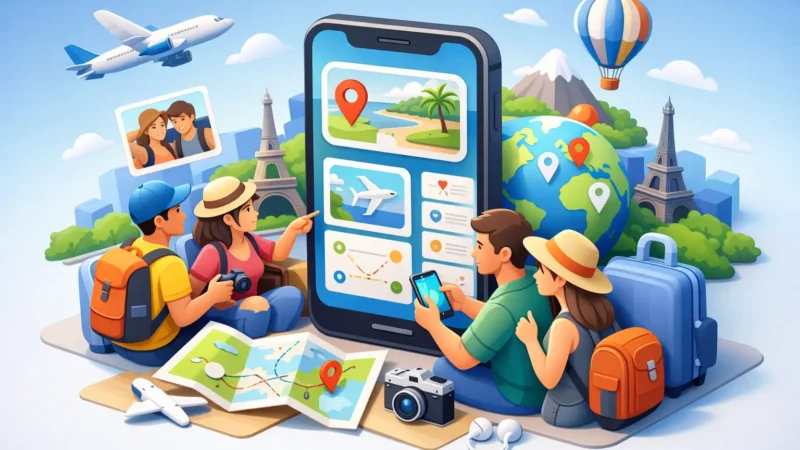
The easiest way to organize a shared trip is to make the plan visible early. A clear post gives compatible travelers enough information to decide whether the journey works for them without turning the process into a dozen back-and-forth messages.
1. Post the trip you are actually taking
Start with the basics: your departure point, destination, date, approximate departure time, and transportation method. If you are driving, say how many seats are available. If you are taking a train or bus, mention the service or time window if you know it. If you are looking to split a taxi, state where you will meet and where you are going.
Then add the details that prevent mismatches. Are you flexible by an hour or locked into a flight connection? Do you have a large suitcase? Are pets coming along? Is this a smoke-free ride? A short, honest description saves everyone time.
Good trip posts sound human. “Driving from Austin to Dallas Friday after work, leaving around 5:30 p.m. Two seats open, one carry-on bag each, happy to split gas and tolls.” That is much more useful than “Need riders.”
2. Match on more than a destination
Two people heading to the same city are not automatically a great match. Look at the route, date, timing, available space, and travel style. A traveler going from Los Angeles to San Diego at 7 a.m. may not be a fit for someone who wants to leave at noon, even though the destination is identical.
Think about the practical details first. Does the pickup point make sense? Can the driver make a safe, easy stop? Is the arrival time realistic? Will everyone fit comfortably with their bags? These questions are especially useful for airport trips, festival weekends, and holiday travel, when roads and pickup areas get busy.
Then consider the vibe. Some people love a chatty road trip playlist. Others want headphones and a calm ride. Neither is wrong. Being upfront makes the trip better for everyone.
3. Chat before you commit
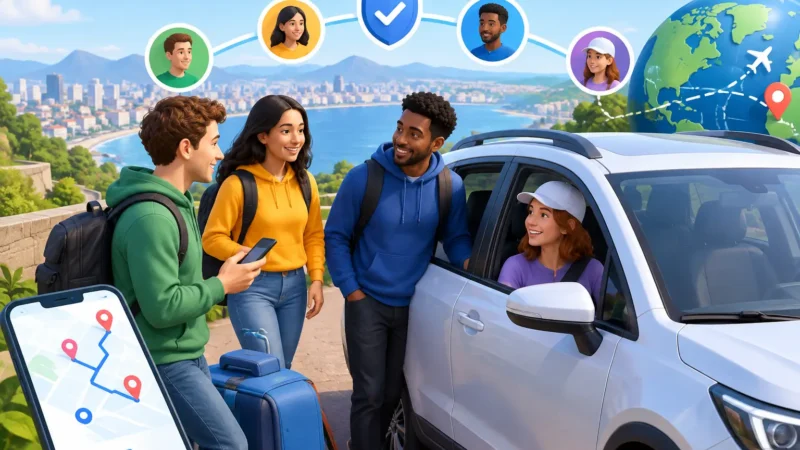
Messaging is where a promising match becomes a real plan. Confirm the key details: exact meeting place, departure time, route, luggage, and how costs will be handled. If anything is unclear, ask. A quick message is easier than an awkward pickup.
For drivers and riders, it helps to agree on a simple cost approach before the wheels move. You might split gas and tolls evenly, divide a parking fee, or agree on a set contribution. For a taxi or boat transfer, decide whether you will split the total equally or based on drop-off points.
Keep expectations reasonable. Shared travel is cost sharing, not a chance to profit from fellow travelers. The goal is a fairer trip, fewer empty seats, and more people getting where they need to go.
4. Travel with a plan B
Even great plans change. Flights run late, traffic builds up, weather shifts, and buses get canceled. Before departure, make sure everyone knows what happens if the timing changes. Confirm a way to reach each other and set a cutoff point for waiting if someone is delayed.
If you are meeting a person for the first time, choose a public, well-lit pickup spot. Share your itinerary with someone you trust, trust your instincts, and leave if something feels off. Drivers should also feel comfortable declining a trip that no longer works for them. A good match respects boundaries on both sides.
Choose the Mode That Fits the Moment
Cars are popular because they offer direct routes and flexible timing, but they are only one option. A shared taxi can make sense when a group lands at the same airport. A bus or train companion can make an unfamiliar route feel easier. On an island or coastal trip, sharing a boat transfer may be the practical move. For shorter city journeys, a bike ride or van shuttle can work just as well.
The trade-off is usually between flexibility and predictability. A car may get you door to door, but a train might offer more reliable timing. A shared taxi is fast, but a bus may be the lowest-cost choice. If you have a tight connection, extra luggage, or a hard arrival deadline, prioritize reliability over saving a few dollars. If your schedule is open, sharing can turn a routine transfer into a new connection.
TripShare is built around that flexibility. Post the journey you have, whether it is a ride, a rail connection, a ferry, or something in between, then look for travelers headed your way.
Make Cost Sharing Feel Fair
Money gets uncomfortable when nobody discusses it. Avoid that by agreeing on the basics before the trip. For driving, fuel, tolls, parking, and any required permits are common shared expenses. For booked transportation, the fare, baggage charges, and transfer fees may be part of the conversation.
Fair does not always mean perfectly equal. If one traveler is riding only part of a long route, a smaller contribution may make more sense. If a passenger needs a major detour, it is reasonable to discuss the added time and fuel. If the difference is tiny, do not overcalculate it. A smooth, respectful experience is worth more than arguing over a dollar.
Be clear about payment timing, too. Some people prefer to settle before departure. Others wait until the total is known. Either approach can work when everyone agrees.
Be the Person Others Want to Travel With
The strongest travel matches are built on small acts of consideration. Be on time, communicate changes early, keep shared spaces clean, and respect personal boundaries. If you are driving, make sure the vehicle is ready for the route and do not drive impaired or dangerously tired. If you are riding, be ready at the agreed pickup point and do not assume a driver can make last-minute detours.
A few preferences are worth sharing before the trip: music or quiet, temperature, food stops, phone calls, and smoking rules. You do not need a formal contract. You just need enough clarity for people to relax.
There is also room for the fun part. Ask where someone is headed after arrival. Trade local recommendations. Share a road-trip snack. Some trips stay practical, and some begin a friendship. Both count as a good match. 🌍
When Shared Travel Is Not the Best Choice
Sharing is not always the answer, and that is okay. If you need complete privacy, have an unpredictable schedule, are carrying specialized equipment, or need to make multiple complex stops, traveling alone may be easier. The same goes for trips where a delayed departure would cause a serious problem.
Use shared transportation when the route and expectations line up, not because you feel pressured to make every journey social. The point is more choice. On the right trip, an open seat or a shared fare can make the route lighter on your budget, easier on the planet, and more memorable than traveling alone.
Your next match may be someone heading to the same terminal, trailhead, campus, or coastline. Post the plan early, say what you need, and leave room for a better way to get there.