Carpool for Commuters Makes the Daily Ride Better

The parking lot is full. Gas is expensive. Your podcast queue is running out. A carpool for commuters gives the daily trip a better purpose: share a ride, split costs, and arrive with a little more money and energy left for the day ahead. 🚗
For students heading to campus, early-shift workers, office regulars, and hybrid employees, a shared commute can be one of the simplest ways to make transportation work harder. It is not just about filling a seat. It is about finding someone whose route, timing, and expectations make the ride feel easy.
Why a Carpool for Commuters Still Works
Commuting alone often comes with hidden costs. There is fuel, parking, tolls, vehicle wear, and the mental drain of handling every mile yourself. Sharing the trip can reduce those pressures without requiring you to give up the freedom to get where you need to go.
The money side is usually the first win. If two or three people regularly travel the same corridor, splitting fuel and tolls can make a real difference across a month. Drivers can offset part of the cost of using their car. Riders may spend less than they would on solo driving, rideshares, or parking.
Then there is time. A carpool does not magically erase traffic, but it can make traffic feel less like dead time. You can talk, catch up on reading as a passenger, or simply enjoy not being the only person staring at brake lights. In places with HOV lanes, a shared ride may also offer a faster route during rush hour.
There is a community benefit too. Fewer single-occupancy cars can mean less congestion and fewer emissions per person. One shared commute will not fix a city’s transportation system, but repeated choices add up. 🌎
Still, carpools are not right for every day. If your job calls you to different locations, your schedule changes constantly, or you need your car for family responsibilities, a fixed five-day arrangement may be frustrating. The best carpool is flexible enough to fit real life.
Start With the Commute You Actually Have
A good match begins with honesty, not optimism. Before looking for a ride partner, map out your normal week. Where do you start? Where do you need to be? What time do you truly need to arrive? Include the details that turn a “close enough” route into a workable routine.
A commute can work when pickup points are near each other, but it does not need to be door-to-door. Meeting at a transit station, coffee shop, park-and-ride lot, or neighborhood corner may make the route easier for everyone. The key is choosing a location that feels safe, public, and realistic on a busy morning.
Timing matters just as much. Someone who clocks in at 9:00 a.m. may not be compatible with a rider who needs to arrive at 8:15 every day, even if they work in the same building. Ask about departure windows, return plans, and how much flexibility each person has when meetings run late.
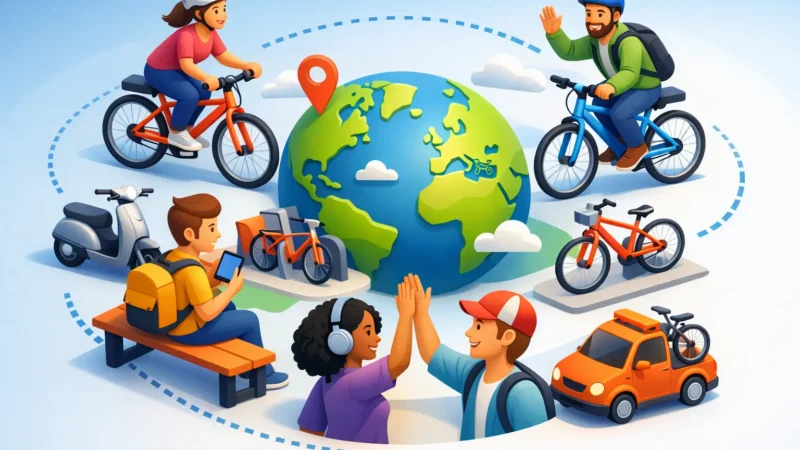
It also helps to think beyond the car. A shared taxi to a train station, a bike-and-rail commute with a travel buddy, or a ride share for the final miles can solve the same problem. TripShare is built around that bigger idea: any trip, any mode, anywhere. Some commutes are best handled by a carpool. Others work better as a mixed-mode plan.
Post, Match, Chat, Travel 🚦
The easiest way to organize a shared commute is to keep the process clear from the first message.
Post the details that matter
If you are driving, share your general route, travel days, available seats, and preferred departure time. If you need a ride, post the area you are leaving from, your destination, and how much timing flexibility you have. You do not need to publish your full address to start a conversation.
Add useful preferences early. Maybe you are happy with quiet morning rides. Maybe you enjoy conversation. Maybe you need room for a backpack, work gear, or a folding bike. Clear details attract people who want the same kind of commute.
Match for compatibility, not just proximity
A person traveling in the same direction is a promising start, not an automatic match. Look for overlap in route, schedule, and travel style. A reliable driver with a 15-minute departure window might be a better fit than someone who lives closer but regularly changes plans at the last minute.
For a first-time arrangement, consider a short trial. Share one or two rides before committing to a regular schedule. It gives everyone a chance to test the pickup point, traffic patterns, and overall comfort level without pressure.
Chat before the first pickup
Use messaging to settle the practical questions. Confirm the meeting point, the exact time, and how you will recognize each other. Discuss cost sharing before anyone gets in the car, including whether you will split fuel, tolls, parking, or all three.
This is also the moment to talk about ride etiquette. Can passengers eat in the car? Is music welcome? Are phone calls okay? How should someone handle a late workday? These may sound small, but a two-minute conversation can prevent weeks of awkwardness.
Travel with a backup plan
Even dependable commuters get sick, have appointments, or face a vehicle problem. A carpool works best when nobody feels stranded. Know your transit option, rideshare backup, or alternate driver before the unexpected happens.
A rotating schedule can help if multiple people can drive. One person drives Monday and Wednesday, another handles Tuesday and Thursday, and Friday stays flexible. It spreads out the responsibility and gives each traveler more options when plans change.
Set Fair Costs Without Making It Awkward
Cost sharing should feel fair, simple, and predictable. The goal is not to turn a commute into a complicated invoice. It is to recognize that driving has real expenses while keeping the arrangement affordable for riders.
For a regular route, many carpools choose a set weekly amount that reflects fuel, tolls, and parking. Others divide actual costs each week. Either approach can work, as long as everyone agrees before the ride becomes routine. Digital payments make small transfers easy, but the amount and schedule should be clear.
Consider how often each person rides. A rider who joins two days per week should not pay the same as someone who rides every day. If the driver makes a large detour for pickup, it is reasonable to account for that too. Fair does not always mean perfectly equal. It means the arrangement makes sense to everyone involved.
Make Reliability the Shared Standard
Most carpools end for one of two reasons: schedules no longer align, or communication breaks down. Reliability is not about never being late. It is about telling people early when something changes.
Set a simple rule for cancellations and delays. For example, send a message as soon as you know you will be more than a few minutes behind. If you need to skip a ride, say so the night before when possible. A quick update gives the other person time to choose another option.
Drivers and riders both have responsibilities. Drivers should maintain their vehicles, follow traffic laws, and avoid distracted driving. Riders should be ready at the agreed pickup time, respect the car, and pay their share as promised. Everyone deserves a commute that feels safe and considerate.
Personal safety deserves the same direct approach. Meet in public for a first ride, tell a friend about your plan, and trust your instincts. You can keep personal information limited until a match has earned your comfort. Sharing transportation should feel social and welcoming, never pressured.
Let the Commute Be More Than a Chore
A carpool does not need to become a friendship, and it does not need to be conversation every morning. Some people want a quiet ride. Others find a study partner, a coworking buddy, or a new local connection between home and work. Both are valid.
The real advantage is choice. Instead of treating the commute as a fixed expense you have to endure alone, you can build a travel routine around people, routes, and modes that fit your life. Post the trip. Find a match. Chat through the details. Then let the extra seat take someone in the same direction.
Tomorrow’s commute is already happening. It might as well take you somewhere better than the parking lot.