7 Sustainable Alternatives to Driving Alone
A solo drive can feel like the easy choice: grab your keys, pick a playlist, and go. But when gas, parking, traffic, and the environmental cost pile up, that convenience gets expensive fast. Sustainable alternatives to driving alone can make everyday commutes and big weekend trips cheaper, more social, and a lot more flexible. 🌎
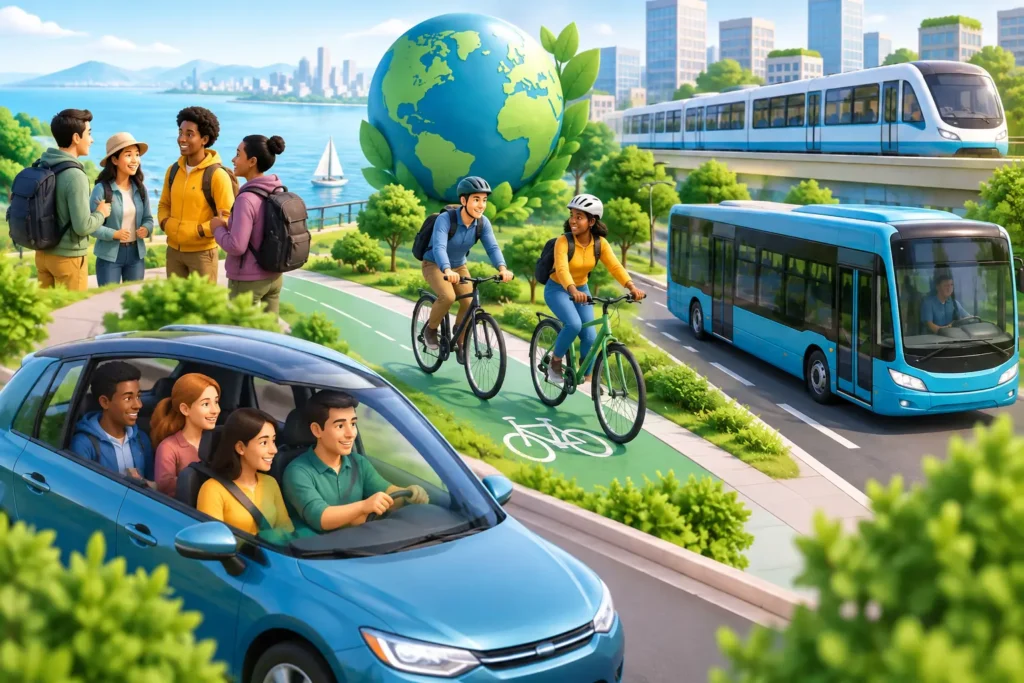
The best option is not always one perfect mode of transportation. It is often a smarter mix: bike to the train, share a ride to the airport, split a taxi after a concert, or find someone headed toward the same trailhead. Small changes in how we move can create more room in our budgets and less pressure on the roads.
1. Share a ride when routes overlap 🚗
Carpooling is one of the most practical ways to reduce the impact of a trip without giving up the comfort of a car. Two people traveling in one vehicle use less fuel per person than two separate cars. Add three or four passengers, and the difference can be even bigger.
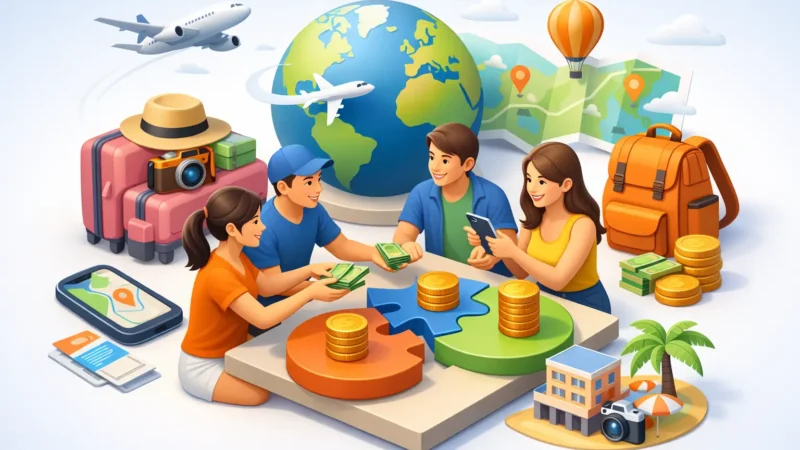
It also changes the cost math. Drivers can fill empty seats and divide fuel, tolls, and parking. Riders can get where they need to go without owning a car or paying for a full rideshare fare. For students heading home for break, coworkers with similar schedules, or friends going to a festival, shared rides can be the option that makes the trip affordable.
The trade-off is coordination. You need to agree on timing, pickup points, luggage space, and expectations for the ride. A quick message before leaving goes a long way. Confirm the route, who is paying for what, and whether the trip is chatty, quiet, or somewhere in between.
2. Make public transit part of the plan 🚌
Buses, trains, subways, and light rail move many people with far fewer vehicles on the road. For regular commuters, transit can replace the stress of rush-hour driving with time to read, answer messages, listen to a podcast, or simply look out the window.
Transit works especially well on high-demand routes: downtown commutes, airport connections, university corridors, and travel between nearby cities. A monthly pass can also be far less expensive than gas, insurance, repairs, and parking.
Still, public transit is not equally convenient everywhere. Late-night schedules may be limited, rural stops can be sparse, and a train station may not be close to your final destination. That is where combining modes helps. Take the train for the long stretch, then share a ride, bike, or walk the last few miles.
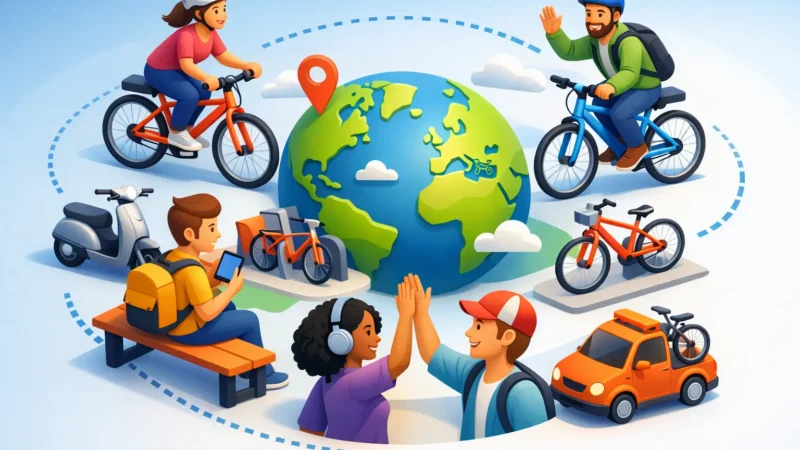
3. Ride a bike or e-bike for shorter trips 🚲
For trips under a few miles, biking can beat driving more often than people expect. There is no traffic jam to sit in, no parking garage to circle, and no gas tank to refill. It is a low-impact way to get to class, a coffee shop, a coworking space, or a neighborhood errand.
E-bikes make this option more realistic for longer distances, hills, hot weather, and commuters who do not want to arrive exhausted. A little electric assist can turn a 20-minute car trip into a ride that feels manageable.
Safety and local infrastructure matter. Protected bike lanes, good lighting, secure bike storage, and weather all affect whether biking is a realistic daily choice. If the whole trip on two wheels does not work, try a partial swap: bike to transit, fold a bike onto a train, or use a bike-share station near your destination.
4. Walk when the distance is truly walkable 👟
Walking will not replace every car trip, and it does not need to. But many short drives are short enough to handle on foot, especially when you plan a little extra time. Walking to lunch, the store, a nearby meeting, or a transit stop avoids emissions completely and gives your day more movement.
The biggest barrier is often habit. It is easy to overestimate a distance when you are used to driving it. Check the route once. A 10- or 15-minute walk may be more pleasant than finding parking, particularly in a busy downtown area.
For safety, use well-lit routes, stay aware around traffic, and dress for the weather. This option depends on accessibility, neighborhood design, and personal comfort, so it should never be treated as a one-size-fits-all answer.
5. Split taxis and on-demand rides 🚕
A taxi or app-based ride is not automatically the greenest choice, especially if it adds another vehicle to the road. But sharing that ride can make a meaningful difference. If two or three people are going to the same airport, event, station, or neighborhood, one shared trip is usually better than several separate ones.
It can also be a great last-mile solution. Maybe transit gets you close but not all the way to your hotel. Maybe your flight lands after the last train. Splitting a ride fills the gap without making a solo drive your default.
This is where travel coordination matters most. Ask in your group chat, hostel, office, or event community before booking alone. Someone may be leaving at nearly the same time and heading in the same direction.
6. Choose shared long-distance travel 🗺️
Long trips create some of the strongest opportunities to travel together. A drive between cities, a ferry crossing, an intercity bus ride, or a flight to a popular destination may already have people moving along your route. Connecting with compatible travelers can make the journey less costly and less lonely.
Shared travel does not have to mean sitting in the same car for every mile. You might meet someone to split a rideshare to the airport, coordinate a train connection, share a van to a national park, or take the same boat to an island. The goal is to use existing transportation capacity more wisely.
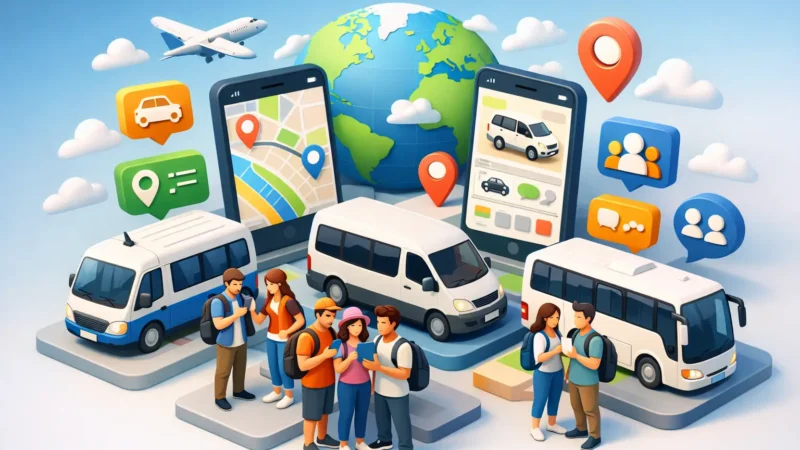
TripShare is built for this kind of flexibility. Post your trip, match with people traveling a similar route, chat through the details, then travel together. 🚗 🚌 ✈️ 🚲 Whether you have an empty seat, need a companion, or want to divide a transfer fare, every mode can become more shareable.
7. Plan the trip, not just the vehicle
The most sustainable transportation choice is often decided before you leave. A little planning can reveal options that are easy to miss when driving alone is the automatic setting.
Start by looking at the full journey. Where are you actually going? What time do you need to arrive? Are you carrying heavy bags? Is there transit near both ends? Could a friend, classmate, or fellow traveler join for part of the route? Once you ask those questions, the answer may be a combination rather than a single mode.
For example, a weekend trip might look like this: walk to a local bus, take the bus to a rail station, ride the train between cities, then share a short ride to your lodging. It may take a bit longer than a direct solo drive. But it can cost less, create time to relax, and keep one more car off the highway.
How to choose the right alternative
There is no prize for choosing the most complicated route. The right choice depends on distance, schedule, accessibility, safety, weather, cost, and what transportation exists where you live. If you are commuting before sunrise in an area without transit, sharing a car may be the most practical move. If you live near reliable rail and work downtown, driving alone may be the unnecessary option.
Try one change first. Share your next airport transfer. Take the bus once a week. Offer an open seat on a road trip. Ride your bike for one local errand. Those choices add up, and they can introduce you to people and places you would have missed from behind the wheel alone.
Your next trip can carry more than one person, more than one story, and a little less impact. Share rides. Split costs. Meet travelers. ✨