Social Travel: Share Rides, Costs, and Stories
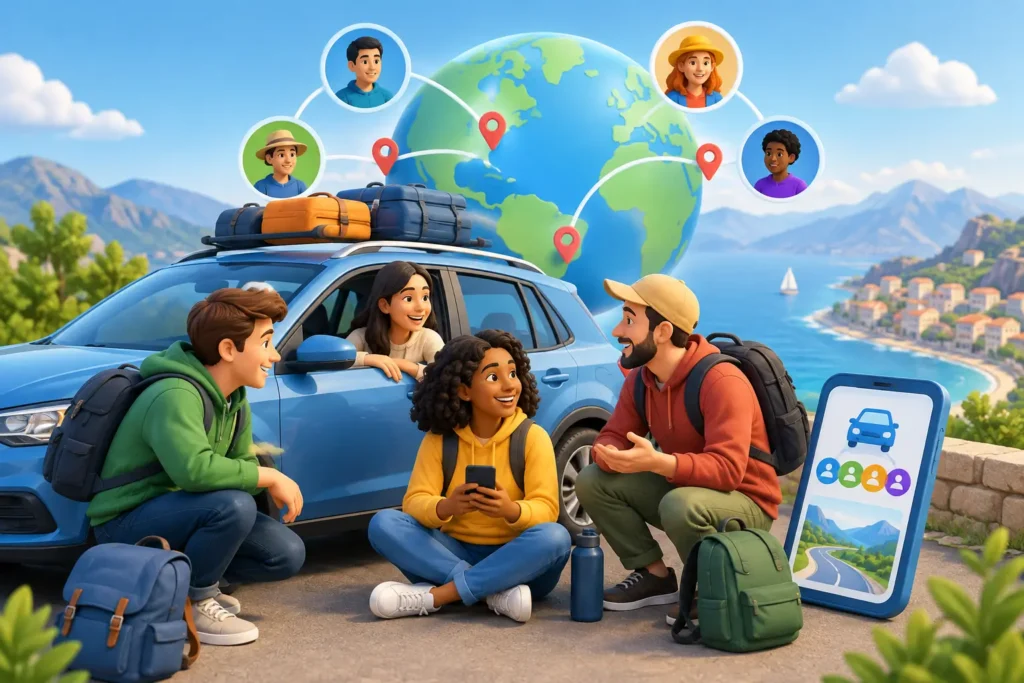
A late-night airport ride. A weekend drive to the coast. A train connection across town. These moments can feel expensive, complicated, or a little lonely when you plan them solo. Social travel changes that. It helps people moving in the same direction share transportation, split costs, and turn travel time into a real human connection. ✨
For students heading home, commuters avoiding another costly rideshare, digital nomads changing cities, and backpackers chasing the next stop, the idea is simple: your trip does not have to be a solo mission. There may already be someone nearby with the same route, similar timing, and room to share.
What Social Travel Actually Means
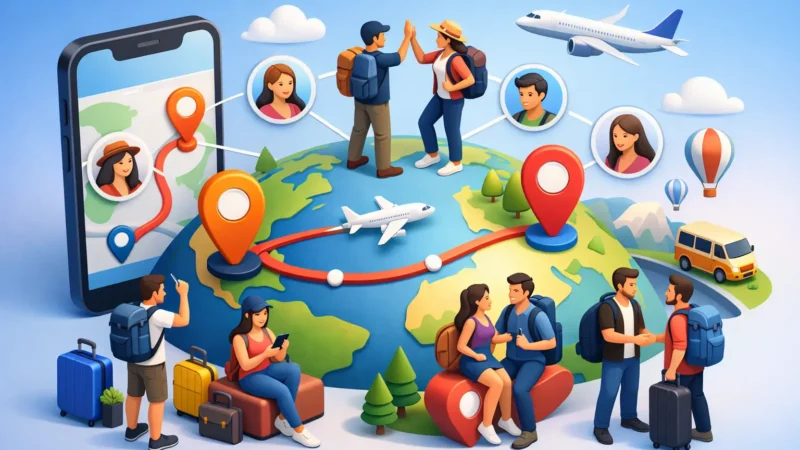
Social travel is travel coordinated with other people, usually around a shared route, date, destination, or transportation need. It can mean riding in the same car, sharing a taxi from the airport, taking a bus or train together, splitting a boat transfer, or finding a travel companion for a longer journey.
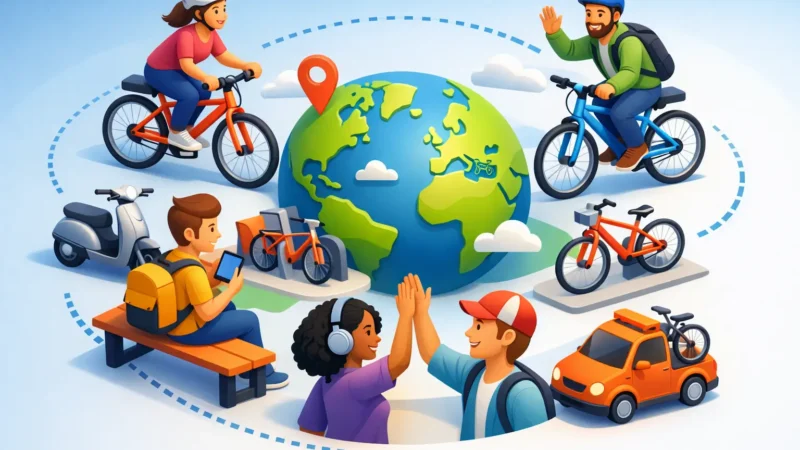
The key difference is flexibility. Traditional carpooling is often built around a regular commute and one type of vehicle. Social travel can happen once or every week, locally or across states, by car, van, bus, bicycle, plane, boat, or whatever gets people where they need to go. 🚗 🚌 ✈️ 🚲
It is not only about getting a cheaper seat. It is about making underused space useful. A driver with empty seats can offset fuel and parking costs. A rider can avoid paying the full price of a trip. Two travelers can coordinate a taxi instead of booking separate cars. Everyone gets a more connected way to move.
Why Traveling Together Feels Different
Travel has a way of putting people in the same moment. You are both watching the departure board, navigating an unfamiliar station, or trying to reach a trailhead before sunset. That shared purpose makes conversation easier than it is in many everyday settings.
Sometimes the connection is the point. You might meet another student from your college town, a fellow remote worker headed to the same conference, or a local who knows which ferry line is actually running on time. Other times, the practical benefit matters more. Maybe you simply want to split gas, arrive safely after a concert, or avoid driving alone on a long stretch of highway.
Both reasons are valid. Social travel should never pressure anyone to become best friends with their travel match. A great shared trip can mean lively conversation, quiet music, a quick exchange of logistics, or just the comfort of not making the journey alone.
Share Rides, Split Costs, Meet Travelers
The best shared trips start with clear details. Post where you are leaving from, where you are going, when you plan to travel, how many seats are available, and what type of transportation you are using. A trip from downtown to the airport is different from a road trip between cities, so context helps the right people find you.
Then match around what matters. Route and date are the basics, but travel style can be just as useful. Are you looking for a quiet ride? Do you have luggage? Are you comfortable making a stop along the way? Do you need a pickup near transit? A few honest preferences can prevent the awkward surprises that make shared plans harder than they need to be.
Messaging comes next. Use chat to confirm the pickup point, timing, cost split, baggage space, and any important expectations. If you are sharing a car, confirm whether you are meeting at a public place or being picked up. If you are joining a taxi, bus, or boat trip, decide who is booking and how payment will be handled before the journey starts.
That simple flow keeps social travel practical: post, match, chat, travel. No complicated coordination spreadsheet. No guessing who is responsible for what. Just a clearer way to turn parallel plans into a shared trip.
The Savings Are Real, but They Depend on the Trip
Splitting costs can make a meaningful difference, especially when prices add up fast. Gas, tolls, parking, airport transfers, rental cars, ferry tickets, and long-distance taxis can all become more manageable when travelers share the expense fairly.
Still, cost should not be the only factor. A slightly cheaper trip may not be worth it if the timing is unreliable, the route adds a major detour, or the arrangements feel unclear. The best match is usually not the lowest-cost option. It is the option that balances price, convenience, comfort, and trust.
Be specific about money before you leave. Agree on the expected total, what is included, and how you will divide it. If the driver covers fuel while riders contribute a set amount, say so. If a taxi fare will be split evenly, confirm it in chat. Clear expectations protect everyone and keep the trip focused on the good part: getting there together.
A More Sustainable Way to Move
Every empty seat in a moving vehicle represents unused capacity. Filling some of those seats can reduce the number of separate cars heading along the same route. That can mean less fuel used per person, fewer cars competing for parking, and a lighter travel footprint overall. 🌎
The impact depends on the transportation choice. Sharing a ride that would happen anyway is typically more efficient than having each person drive separately. Coordinating a cab or airport shuttle can reduce duplicate trips. Meeting someone to walk, cycle, or take transit together can make lower-impact options feel more accessible, especially in a new place.
Social travel is not a perfect answer to every transportation challenge. Public transit may be the most affordable option on one route. A solo trip may be necessary for a tight schedule, accessibility need, or safety concern. The goal is not to make every journey shared. It is to make sharing easy when it makes sense.
How to Make a Shared Trip Safer and Easier
A good travel match should feel clear, not rushed. Review the trip details, ask questions, and trust your instincts. If something feels vague or uncomfortable, it is okay to choose another option. Flexibility is one of the biggest advantages of a travel network.
For a first-time match, meet in a public, well-lit place when possible. Let a friend or family member know your plan, including the route, departure time, and who you are meeting. Keep your phone charged, share live location if that feels right for you, and have a backup plan in case timing changes.
Communication matters just as much as caution. Tell your match if you are running late. Be honest about luggage, pets, music preferences, smoking, accessibility needs, or whether you need a quiet ride. Drivers should be upfront about available seats, pickup flexibility, and stops. Riders should be ready at the agreed time and contribute as promised.
Respect makes the experience work. Do not assume someone wants to socialize the entire trip. Do not treat a shared ride like a private chauffeur service. Small things, like confirming arrival, keeping shared spaces clean, and saying thanks, help build the kind of community people want to use again.
Social Travel Works Beyond the Road Trip
The most useful shared journeys are often the ones people overlook. A group taxi after a delayed flight. A bike ride to campus. A van to a music festival. A boat transfer between islands. A train connection where having company makes a late arrival less stressful. Social travel is not limited to one vehicle or one kind of traveler.
That is where a platform like TripShare can help. It gives travelers a place to post plans, find people heading the same way, chat through details, and make more of the transportation already available. Any trip can become more affordable, more social, or simply easier to organize.
Your next route may already have a match waiting for it. Post the plan, be clear about what you need, and leave room for the possibility that the ride is only the beginning of the story. 🌍