Can Strangers Travel Together? Yes, Here’s How

A 6 a.m. airport ride. A late bus from campus. A road trip to a festival where gas costs more than the ticket. These are the moments when people ask, can strangers travel together and actually have a good experience? Yes. With clear plans, good communication, and a few smart boundaries, shared travel can turn a lonely, expensive trip into a safer-feeling, more affordable, more social way to move.
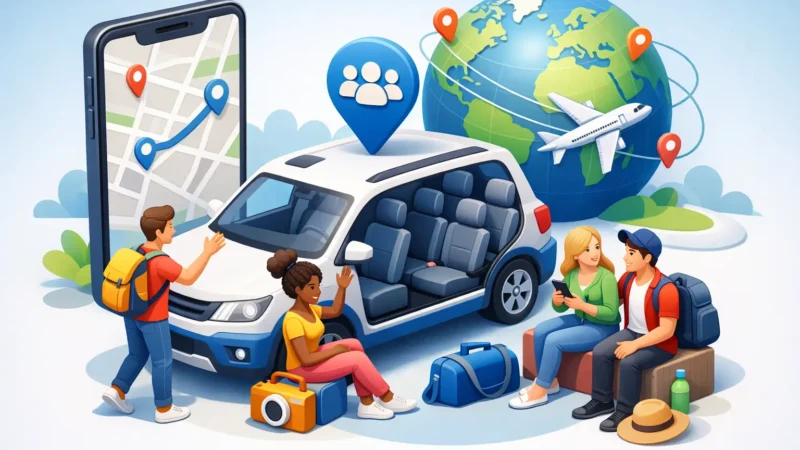
Traveling with someone you have just met is not about pretending you are instant best friends. It is about finding a compatible person for one shared journey. You might split a ride to the train station, share a taxi after landing, take the same long-distance bus route, or join a road trip headed toward the same city. The goal is simple: get there together, with fewer costs and more confidence. 🚗✈️🚌
Can Strangers Travel Together Safely?
They can, but safety is not automatic. It comes from making intentional choices before you meet, while you travel, and if plans change.
The right level of preparation depends on the trip. Sharing a 15-minute rideshare from a busy downtown area is different from taking a six-hour drive through rural roads. An overnight bus, a boat transfer, or a trip across state lines calls for more detail and a stronger comfort level from everyone involved.
Start by trusting the basics: a complete profile, clear trip details, responsive messages, and behavior that feels respectful rather than pushy. If someone avoids simple questions, changes the plan repeatedly, pressures you to decide fast, or makes you uneasy, you do not owe them a trip. A cheaper ride is never worth ignoring your instincts.
For a first shared trip, meeting in a public place is usually the easiest move. Think a coffee shop, transit station, airport pickup zone, or well-lit parking lot. Tell a friend where you are going, who you are meeting, and when you expect to arrive. Keep your phone charged, bring what you need, and make sure you can leave or arrange another ride if the plan no longer works for you.
This is not about being fearful. It is about being prepared. The best shared trips feel relaxed because everyone handled the basics upfront.
Match the Journey, Not Just the Destination
Two people can be going from Los Angeles to San Diego and still be a poor travel match. One may want to leave at 7 a.m. with no stops. The other may be planning a beach detour, traveling with a large suitcase, and playing podcasts out loud. Neither approach is wrong. They just need to be discussed before the trip starts.
A good match includes the route, timing, transportation type, budget, and travel style. If you are offering seats in a car, be clear about pickup location, luggage space, smoking rules, pets, and planned stops. If you are looking for a companion for a train, bus, flight, bike route, or ferry, say whether you want someone to coordinate logistics with, split a ground-transfer cost, or simply travel alongside.
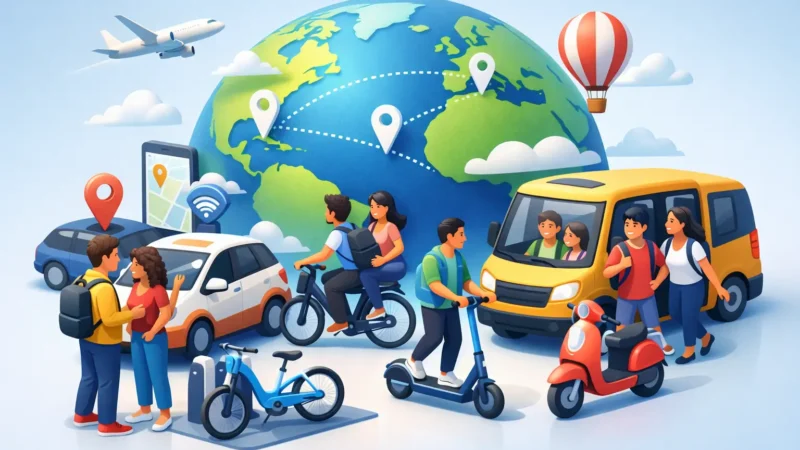
TripShare is built around that idea: any trip, any mode, anywhere. A compatible match does not have to mean sharing your own car. It can mean coordinating a van to a trailhead, splitting a taxi from the airport, finding company on a cross-country bus ride, or meeting another traveler headed to the same ferry terminal. 🌍
Ask the questions that prevent awkwardness
You do not need an interview. A few direct messages can make the whole trip easier.
Confirm the exact meeting point and time, including what happens if either person is late. Agree on how payment will work before departure. If a car is involved, ask about seats, bags, fuel, tolls, parking, and the expected route. If you are sharing public transportation, confirm the ticket, platform, terminal, and whether you are booking separately or coordinating one purchase.
It also helps to name small preferences early. Are you okay with conversation, or do you prefer a quiet ride? Will you need a stop for food? Are you traveling with a pet? Do you need to arrive by a fixed time? These details are not fussy. They are what make strangers feel like prepared travel partners instead of random people stuck in the same vehicle.
Set Expectations Before Money Changes Hands
Shared travel saves money when the cost split is simple and agreed upon. Confusion usually happens when people assume different things.
If you are sharing a car ride, decide whether costs cover gas only or also tolls and parking. If you are splitting a taxi or rideshare, settle the division before booking, especially if one person has an extra stop. For group travel, a per-person amount is often easier than trying to calculate every mile during the ride.
Be specific about payment timing, too. Some travelers prefer to pay before departure. Others are comfortable settling up when they arrive. Either can work if everyone agrees. Keep the conversation in writing through the app when possible, and avoid arrangements that feel unclear or unusually complicated.
Fairness matters more than squeezing every dollar out of a shared trip. A driver should not be left covering all the expenses. A passenger should not be surprised by costs they were never told about. Clear plans keep the focus where it belongs: the journey.
Be a Great Person to Travel With
The fastest way to find better travel matches is to be the kind of match people hope to find.
Show up on time, or communicate early if you cannot. Respect the agreed pickup spot and route. Keep your belongings contained, especially in shared cars or crowded transit. If someone is driving, do not distract them or pressure them to rush. If you are the driver, drive responsibly and do not make passengers feel trapped in a plan they did not agree to.
Shared travel also works better when everyone respects personal space. Some people love swapping travel stories. Others want headphones, a nap, or a quiet window seat. Let the mood develop naturally. You can be friendly without treating the trip like a forced networking event.
There is room for real connection, though. A conversation with a fellow traveler can lead to a local food recommendation, a hiking buddy, a study partner, or simply a better memory of an otherwise ordinary commute. That is part of what makes shared travel different from sitting alone in traffic.
What to Do When Plans Change
Even excellent plans can run into traffic, canceled buses, weather, a flat tire, or a delayed flight. The key is to communicate as soon as you know something has changed.
If you are late, send an honest update with a realistic arrival time. If the route changes, explain why and make sure everyone is comfortable with it. If the trip no longer feels right, it is okay to cancel. You do not need to continue a shared journey just because you originally said yes.
Have a backup in mind for longer or unfamiliar trips. Know the next bus, train, taxi option, or safe place to wait. Travelers who plan for the unexpected tend to feel more independent, not less. Sharing a ride should add options to your trip, not take them away.
Shared Travel Is Practical – and Human
For students, shared trips can make weekends home or campus breaks more affordable. For commuters, they can turn a repetitive route into a lower-cost routine. For digital nomads, backpackers, and solo travelers, they can make a new place feel less anonymous from the moment they leave the airport.
There is also a bigger benefit. When more people fill empty seats, split transportation, and coordinate trips that were already happening, fewer resources are wasted. One shared ride will not solve every transportation problem, but it is a practical choice that can reduce costs and travel impact at the same time.
The best shared journey is not necessarily the one where you make a lifelong friend. Sometimes it is simply a smooth ride with a respectful person, a fair split, and an arrival that feels easier than going alone. Post the trip, match with care, chat clearly, and leave room for the road to surprise you. ✨