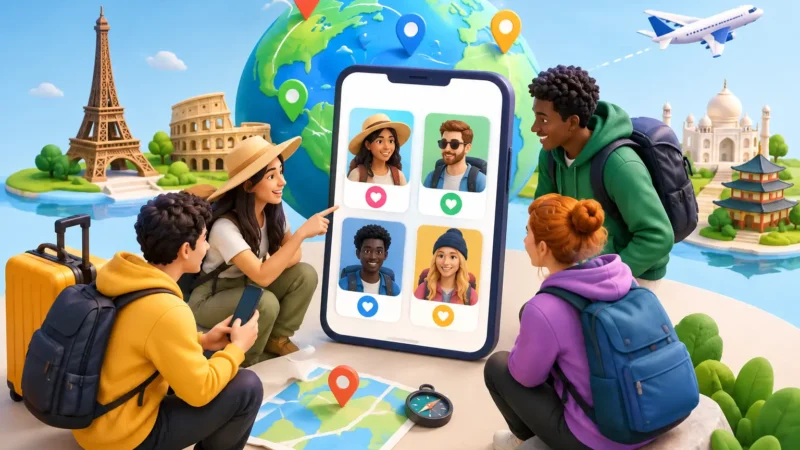
How to Find Travelers on the Same Route Fast

A late-night bus to the airport. A weekend drive home from college. A ferry to an island, a train to a conference, a taxi from the station. These trips get easier when you can find travelers on same route and make a plan together. You may save on costs, fill an empty seat, and start the journey with someone who is headed your way.
Shared travel is not only for daily commutes or people with cars. If your route, timing, and travel style line up, almost any trip can become a shared one. 🚗 🚌 ✈️ 🚲 ⛴️
Why find travelers on the same route?
The obvious reason is money. Transportation can take a big bite out of a student budget, a freelancer’s income, or a weekend travel fund. Sharing a car ride, taxi, van, boat, or other paid trip can make a journey more affordable for everyone involved. A driver can offset fuel and tolls. Passengers can skip the cost of driving alone or booking a last-minute ride.
But price is only part of the story. A long ride feels shorter when there is someone to talk to. Meeting a fellow backpacker on the way to a trailhead, coordinating an airport transfer with another traveler, or sharing a drive between cities can make travel feel less isolating. You still choose your own level of social energy. Some people want conversation and local tips. Others simply want a quiet, reliable ride and a fair split.
There is also a practical impact. One more person in an already-planned vehicle can mean one fewer car making the same journey. It will not solve every transportation challenge, and public transit is often the best choice when it fits your schedule. Still, using available seats more thoughtfully is a simple way to reduce unnecessary miles.
The best matches start with a clear trip post
Finding the right travel companion is easier when your trip details are specific from the start. Think of your post as a quick, useful invitation: where you are leaving from, where you are going, when you want to travel, and how you plan to get there.
1. Post the route people can recognize
Use a clear origin and destination. “Brooklyn to Boston” is more useful than “heading north.” If you are flexible, say so. You might be open to a pickup near a subway stop, a detour within reason, or leaving an hour earlier for the right match.
Add the travel method too. Are you driving with two open seats? Taking a taxi from the airport? Looking for someone to split a rental car? Catching a bus and hoping to meet a travel buddy? The mode matters because it shapes the cost, luggage space, pace, and expectations.
2. Set a realistic time window
Exact timing gets the quickest matches, but flexibility can expand your options. If you need to leave Friday at 5:30 p.m., say that. If you can travel anytime Friday evening, make that clear instead. A narrow window can be ideal for a time-sensitive airport run. A broader one works well for a road trip, festival weekend, or intercity ride.
For longer trips, include likely stops and arrival goals. A traveler may be happy to share your route but need a meal break every few hours, an early arrival, or a stop near a transit station. These details prevent awkward surprises later.
3. Share the details that affect comfort
You do not need to write a biography. A few useful preferences can help compatible people find each other faster. Mention luggage limits, whether pets are joining, your smoking policy, the expected cost split, and whether the ride is chatty, quiet, or somewhere in between.
If you are offering a seat, describe what is available honestly. If you are seeking a ride, be direct about how much gear you have and where you can meet. Clarity is friendly. It helps people decide quickly and makes a good match more likely.
Match for more than a map pin
Two people can be traveling between the same cities and still be a poor fit. The best route match considers the real shape of the trip: dates, budget, transport type, space, and pace.
Start with the non-negotiables. Does the route work? Is the departure date close enough? Can the vehicle, taxi, or travel plan accommodate everyone and their bags? Then look at the preferences. Someone taking a six-hour drive with a dog may need a pet-friendly companion. A digital nomad may need reliable stops to work. A traveler flying into a new city may care most about splitting a safe, simple airport transfer.
This is where a multimodal approach makes a difference. Sometimes the right answer is a carpool. Sometimes it is two people sharing a taxi after a flight, coordinating seats on a bus, or traveling together on a ferry. The goal is not to force every journey into one format. It is to make the trip you already plan to take easier to share.
TripShare is built around that idea: post a journey, match by route and timing, chat through the details, then travel together. Any trip can be the starting point. 🌎
Chat before you commit
A route match is the beginning of the plan, not the full plan. Use in-app messaging to confirm the details that matter before anyone leaves home. Agree on the pickup point, departure time, cost split, payment approach, and how to handle delays.
Keep the conversation practical and respectful. If you are driving, confirm the number of seats and where luggage will go. If you are riding, let the driver know if your timing changes. If you are sharing a taxi or transit connection, decide who books it and how you will find each other at a busy terminal.
A short check-in on expectations goes a long way. You can ask whether music is okay, whether there will be stops, or whether the other person is comfortable with a quiet ride. These are small questions, but they turn an uncertain meetup into a coordinated trip.
Make shared travel feel safer and simpler
Meeting someone new requires common sense, even when the route is a perfect match. Choose public, well-lit pickup locations when possible, especially for a first shared trip. Let a friend or family member know your plan, including the traveler’s name, route, and expected arrival time.
Trust your instincts. If the details keep changing, the person pressures you to decide quickly, or the plan no longer feels right, it is okay to pass. A good travel match respects boundaries and communicates clearly.
For drivers, do not overpromise. Keep your listing current, share only the seats you genuinely have, and cancel as early as possible if your plans change. For passengers, show up on time, respect the vehicle or shared space, and contribute exactly as agreed. Reliability is what turns a one-time shared ride into a community people want to use again.
When sharing a route may not be the right call
Not every trip needs a match. If you need maximum privacy, have a packed schedule with no room for changes, or are traveling with specialized equipment, going alone may be the better choice. The same goes for situations where public transportation gives you a safer or more direct option.
Sharing works best when it adds value rather than friction. A good match should make the trip more affordable, more social, more sustainable, or simply more convenient. If it does not, there is no need to force it.
The next time you see an empty passenger seat, a pricey airport taxi, or a long stretch of road ahead, post the plan. Someone nearby may be looking at the same route, the same date, and the same chance to make the miles count. Share rides. Split costs. Meet travelers.