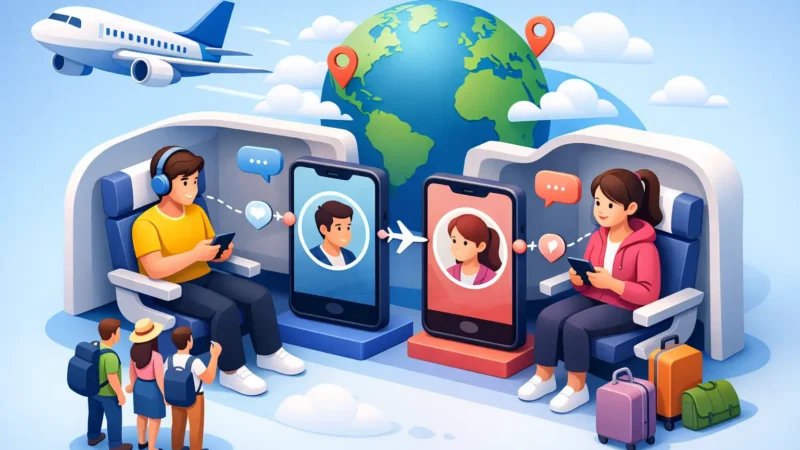
How to Verify Travel Companions Before You Go

A shared ride to the airport, a road trip between campuses, or splitting a ferry to an island can turn a costly solo journey into a better story. But before you pack snacks or send money, learn how to verify travel companions in a way that feels practical, respectful, and safe. The goal is not to interrogate every person you meet. It is to make clear choices, trust patterns over promises, and travel with confidence. ✈️
Start With the Trip Details
A real traveler can usually explain their plan clearly. Before you focus on personality, make sure the trip itself makes sense.
Ask where they are leaving from, the destination, travel date, approximate departure time, and transportation method. If they are driving, ask about available seats, luggage room, planned stops, and how costs will be divided. If you are meeting for a bus, flight, boat, or train connection, confirm the booking details each of you is responsible for.
Vague answers are not always a red flag. Plans can change, especially for flexible travelers, students, and digital nomads. Still, a compatible companion should be willing to turn a loose idea into a workable plan before you commit. “Sometime Friday afternoon” may be fine at first. It should become a more specific window before travel day.
Be equally clear about your own needs. Mention if you have a large backpack, need to arrive by a certain time, prefer a smoke-free vehicle, or cannot drive after dark. Good matches begin with honest logistics.
How to Verify Travel Companions Through Their Profile
Profiles are a starting point, not proof. Look for signs that a person has taken time to represent themselves consistently: a clear photo, a name that matches how they introduce themselves, trip details that align with their messages, and enough information to understand their travel style.
A new profile does not automatically mean trouble. Everyone has a first trip. Instead of dismissing newer users, ask a few extra questions and pay attention to how they respond. Are they open, specific, and calm? Do their answers stay consistent over time?
If a platform offers verification badges, ratings, completed-trip history, or mutual connections, use those signals. They can reduce uncertainty, but they should never replace your own judgment. A badge may confirm an account detail. It cannot tell you whether someone respects boundaries, drives safely, or has the same expectations for a six-hour ride.
It also helps to do a light identity check outside the app when appropriate. A quick video call before a long trip can confirm that the person matches their profile and gives both of you a chance to discuss the plan face to face. Keep the call focused on the trip. You do not need to share private documents, home addresses, or personal financial details to verify a companion.
Have a Real Conversation Before You Match
Messaging is where compatibility becomes visible. A few thoughtful questions can reveal more than a polished profile ever will.
Talk about the pace of the journey. Are they hoping to leave at sunrise and drive straight through, or stop for coffee, photos, and meals? Are they chatty, quiet, working remotely from the passenger seat, or bringing a pet? For a shared car ride, discuss music, temperature, food, smoking, and driving shifts. For public transit or flights, agree on where to meet, how long you will wait if someone is delayed, and whether you are traveling together the entire way or simply coordinating one leg.
Money deserves the same directness. Confirm the estimated amount, what it covers, and when it will be paid. Gas, tolls, parking, ferry tickets, baggage fees, and shared taxis can add up quickly. A fair plan is easy to explain. Be cautious if someone pressures you to send a large deposit, requests payment through an unusual method, or keeps changing the price after you agree.
Clear communication is a green flag. So is someone who welcomes your questions rather than making you feel difficult for asking them.
Questions worth asking
For longer trips or first-time matches, ask about the practical details that shape the experience:
- What is your exact route, and are there planned stops?
- Who else will be in the car, taxi, or group?
- How do you prefer to split fuel, tickets, tolls, and parking?
- What is your backup plan if the trip is delayed or canceled?
- Are there any travel preferences I should know about, such as pets, smoking, quiet time, or luggage limits?
You do not need a perfect answer to every question. You need an answer that is reasonable, consistent, and compatible with your own expectations.
Meet Smart Before You Travel
For a first shared trip, arrange a quick meetup in a busy public place when you can. A coffee shop near campus, a transit station, or a well-lit pickup point works well. This is especially useful before a long drive, an overnight journey, or a trip that takes you far from home.
Tell a friend or family member who you are meeting, where you are going, and when you expect to arrive. Share the companion’s first name, profile information, vehicle details if relevant, and your route. Use location sharing during the trip if that makes you more comfortable.
If you are getting into someone’s car, check that the vehicle, driver, and license plate match what you discussed. Take a moment to make sure the seatbelt works and that there is room for passengers to ride safely. If anything feels off at pickup, you are allowed to leave. You do not owe anyone a ride because you had a friendly chat or agreed to split costs.
For flights, buses, and trains, personal safety still matters even though you are in public. Meet inside the station or terminal, keep your bag and documents with you, and avoid handing over your phone, wallet, or passport. A travel companion can be great company without becoming responsible for your belongings.
Watch for Pressure and Mismatched Stories
Trust is built through small, repeatable signals. Be cautious when someone refuses to answer basic trip questions, insists on moving the conversation to a private channel immediately, pressures you to pay fast, or becomes angry when you set a boundary.
Other warning signs include a route that changes repeatedly without a clear reason, a driver who will not share basic vehicle details, or a person who expects you to meet somewhere isolated. One odd message may simply be a misunderstanding. Several inconsistencies are a reason to pause.
There is a difference between being spontaneous and being careless. Shared travel can be flexible, but your safety plan should not depend on hoping that a stranger follows through. Keep enough money, battery power, and access to transportation to leave independently if needed.
Set Boundaries That Make the Ride Better
Verification is not only about avoiding risk. It is also about creating a trip both people can enjoy. Set expectations early around pickup timing, stops, payment, personal space, and communication.
For example, you might agree that each person pays their share of gas at the first stop, that no extra passengers join without asking, and that either traveler can request a break. If you are a passenger, confirm whether you can drive and whether the driver wants help with navigation. If you are hosting a ride, be upfront about your vehicle rules and the kind of travel experience you are offering.
TripShare makes this easier by giving travelers a place to post the route, match around timing and travel style, and chat before the wheels start moving. 🚗 🚌 ✈️ The conversation still matters. Technology can organize the connection, while good judgment shapes the journey.
Keep a Backup Plan
Even a well-verified companion can run into a flat tire, canceled bus, delayed flight, dead phone, or family emergency. Before leaving, save the route, know the next transit option, and keep enough funds for a ride home, a hotel, or a ticket change if necessary.
Do not let a shared itinerary be your only way forward. A backup plan gives you more freedom to say no when something changes unexpectedly. It also removes pressure from your travel companion, because both of you know one delay does not have to ruin the whole trip.
The best shared journeys leave room for connection without asking you to ignore your instincts. Ask the questions, confirm the details, meet thoughtfully, and choose the companion who makes the plan feel clearer, not cloudier. Then share the ride, split the costs, and leave space for the kind of travel story you actually want to tell. 🌎