What a Travel Companion App Should Actually Do
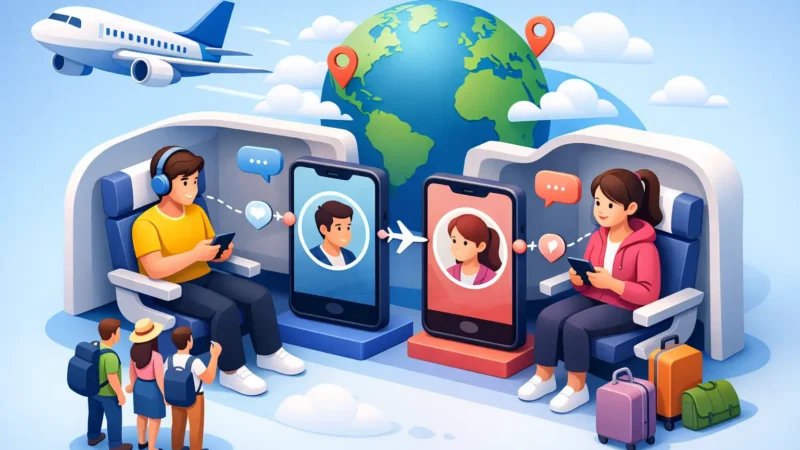
A 6:00 a.m. airport ride, a weekend bus to the coast, a shared taxi from the train station, a cross-state drive with empty seats – these are all trips that get easier when you do not have to plan alone. A travel companion app is not just another itinerary tool. At its best, it helps real people heading in similar directions find each other, coordinate the details, and turn an ordinary trip into a shared experience. 🚗🚌✈️
For students watching every dollar, solo travelers who would rather not arrive alone, and commuters tired of paying for unused seats, that difference matters. The right app can make travel more affordable, more flexible, and a lot more human.
A travel companion app is about people, not just plans
Maps can tell you where to go. Booking sites can sell you a seat. But many travel decisions happen in the gaps between those tools: Who is also leaving Friday afternoon? Can we split a taxi after landing? Is anyone driving from campus to the festival? Could two people take the same boat instead of each paying for a separate ride?
That is where companionship and coordination meet. A useful travel companion app brings together the route, timing, transport option, and traveler behind the trip. You are not simply searching for a vehicle. You are looking for a compatible way to get there.
Compatibility can mean practical things first: a similar departure window, the same pickup area, luggage space, an open seat, or a shared destination. It can also mean travel style. Some people want a quiet ride and a quick handoff. Others are happy to chat, swap local tips, and turn the journey into part of the adventure. Both are valid. A good platform leaves room for both.
The four actions that make shared travel work
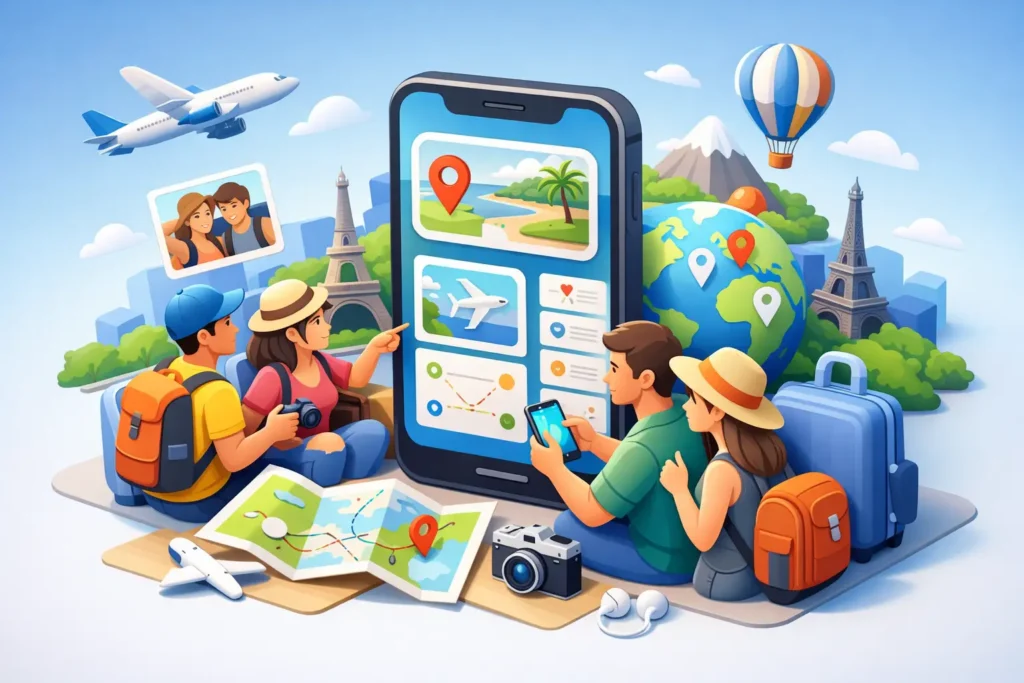
Shared travel should feel simple. The most helpful apps follow a clear rhythm: post, match, chat, and travel. 📍
Post a trip with the details that matter
A vague post like “Heading to Chicago sometime this weekend” may start a conversation, but it rarely creates a confident match. Useful trip posts state where you are leaving from, where you are going, when you expect to travel, and how you plan to get there.
If you are driving, say how many seats are available and whether you have room for bags. If you are organizing a shared taxi, include the airport terminal or station. If you are taking a bus, boat, train, flight, or bike route, give enough context for someone to recognize that their plans align with yours.
You do not need to overshare. A neighborhood, transit hub, or public pickup point is often better than a home address until plans are confirmed. Clear details save time while protecting your privacy.
Match around routes, dates, and preferences
The strongest matches are not always people with identical schedules. A traveler leaving an hour earlier may still be a great fit if the route and handoff are easy. Flexibility can open up more options, especially on long-distance routes, during holidays, or in places with limited transit.
Filters make that flexibility manageable. Look for route and date matching first, then narrow by transportation type, seats, and travel preferences. Someone seeking to split a rental car has different needs from someone looking for a companion on a late-night train connection.
TripShare is built around that bigger picture: any trip, any mode, anywhere. That matters because real travel is rarely limited to one kind of transportation. Your trip might start in a car, continue on a ferry, and end in a shared cab. The app should support how people actually move.
Chat before you commit
A match is the beginning of coordination, not the finish line. In-app chat gives both travelers a place to confirm essentials before the trip: the meeting point, estimated cost split, number of bags, expected arrival time, and how to recognize each other.
This is also where you can set the tone. Ask whether the ride is smoke-free, whether there will be stops, whether music is welcome, or whether someone needs quiet time to work. These questions are not awkward. They are how strangers become prepared travel companions.
Keep messages direct and friendly. “Hey, I’m heading from downtown to JFK around 4 p.m. Friday with one backpack. Are you still looking to split a ride?” is much more useful than “Interested?”
Travel with a plan, not an assumption
Before departure, confirm the final details one more time. Check the weather, road conditions, transit status, and any schedule changes. Agree on payment expectations before the journey begins, especially when fuel, parking, tolls, tickets, or taxi fares are involved.
If plans shift, say so early. A late arrival is frustrating, but silence is worse. Shared travel works when everyone treats the other person’s time as valuable.
More than carpooling: every mode can be shareable
Carpooling is often the first thing people think of, and it is a great way to fill empty seats and lower fuel costs. But a travel companion app becomes far more useful when it supports the whole trip, not just the drive.
Think about the moments where costs and uncertainty pile up. A group leaving the same concert may share a van. Two backpackers arriving on the same flight may split a cab. A digital nomad may find someone to ride with to a regional airport. Travelers taking the same ferry can coordinate the ride from the dock afterward.
Different modes bring different trade-offs:
- Cars and vans offer flexibility, but drivers and passengers need to agree on detours, luggage, and fuel or toll splits.
- Taxis and rides to transit hubs are easy to divide, but timing matters because one delayed traveler can affect the whole group.
- Buses, trains, boats, and flights may have fixed schedules, but companionship can make transfers, arrivals, and unfamiliar destinations feel less isolating.
- Bikes and local rides can be low-cost and low-impact, though comfort, distance, weather, and safety should guide the decision.
There is no single best mode. The best option depends on the route, your budget, your schedule, and what makes you feel comfortable. That is exactly why a mode-agnostic approach is valuable.
Saving money is better when expectations are clear
Splitting costs is one of the clearest benefits of shared travel, but it works best when no one is guessing. If you are sharing a car, discuss fuel, tolls, parking, and any vehicle-related costs ahead of time. If you are splitting a taxi, decide whether the fare is divided evenly or adjusted for different drop-off points.
Fair does not always mean perfectly equal. A passenger traveling twenty miles beyond everyone else may reasonably pay more. A driver who was already making the trip may only want help with gas. The goal is not to turn a ride into a complicated negotiation. It is to make the arrangement transparent before anyone starts moving.
Shared travel can also reduce waste. An empty seat in a car is still taking the same route, using the same fuel, and occupying the same road space. Filling it can lower the cost per traveler and make better use of the trip already happening. 🌎
Make safety part of the travel plan
Meeting new people is part of what makes shared travel exciting. It also calls for good judgment. Use in-app messaging at first, meet in public or well-lit places, and tell a friend where you are going and who you are meeting. Trust your instincts if someone is evasive, pushes for personal information, or changes major details at the last minute.
Set boundaries without apologizing for them. You can choose public pickup points, decline a match that does not feel right, and leave a conversation that becomes uncomfortable. For longer trips, it is smart to confirm identity basics and keep your own phone charged, payment method available, and backup transportation in mind.
Drivers have responsibilities too. Be honest about available seats, vehicle space, timing, and any rules for the ride. Passengers deserve accurate information, and drivers deserve travelers who communicate clearly and show up as agreed.
The real win: travel feels less transactional
A shared ride may start with a simple goal: spend less on gas, avoid a solo airport transfer, or find a seat to the next city. But the best outcomes often go further. You swap restaurant recommendations. You get help carrying a suitcase through a crowded terminal. You hear about a neighborhood from someone who knows it well. You arrive with a familiar face nearby.
Not every match will become a friendship, and it does not need to. Sometimes the perfect travel companion is simply someone reliable who shares your route, respects your time, and makes the trip easier. That is still a win.
The next time you have a seat to spare or a journey you would rather not take alone, post the trip. A better way to travel may already be heading your direction. ✨